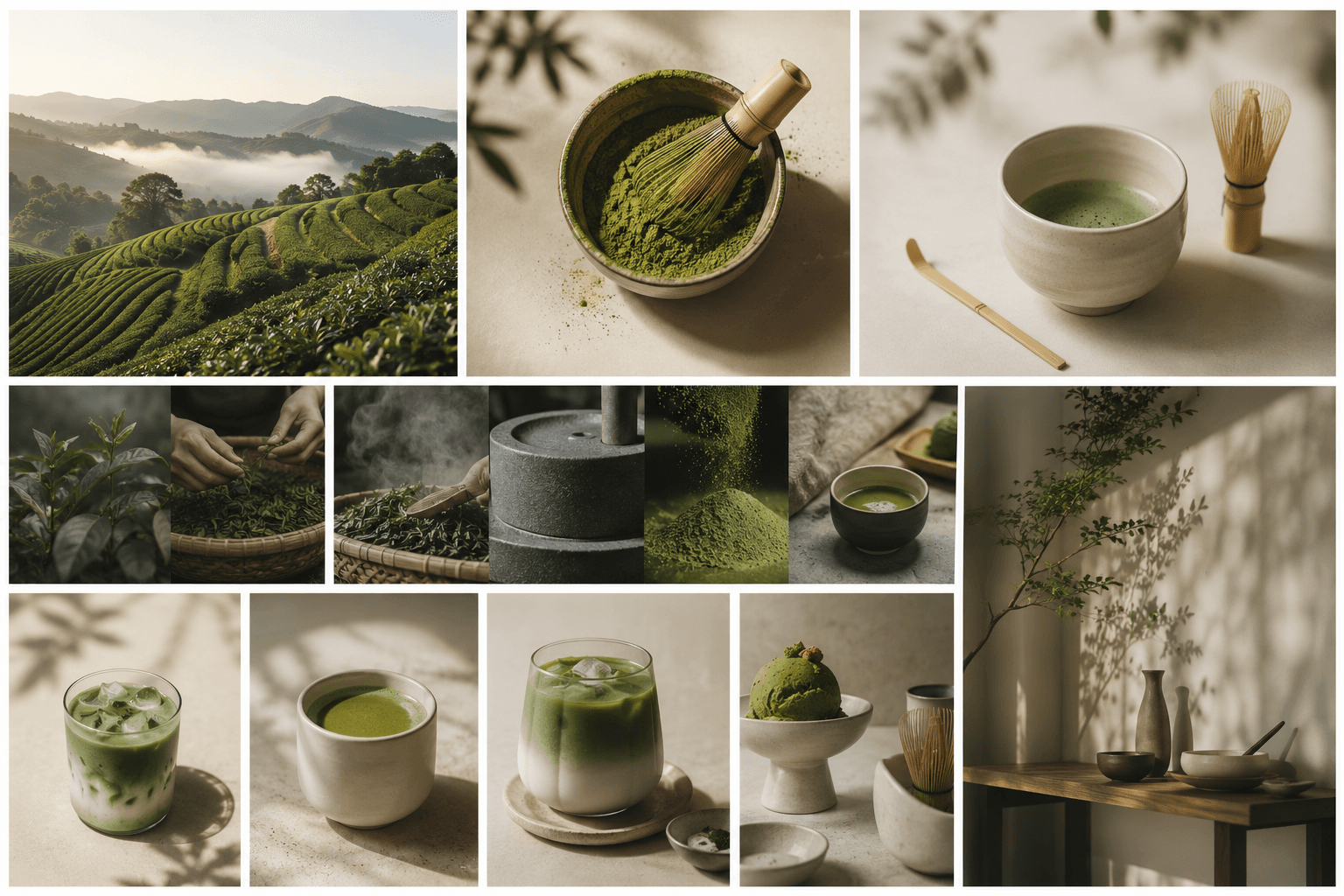
People often think matcha is only about caffeine or aesthetics. But the reason many people return to matcha every day is the feeling it creates.
A slower morning. A calmer mind. A more balanced kind of energy.
Unlike coffee that can sometimes feel intense or overwhelming, ceremonial matcha is loved for its smooth and steady focus. The combination of natural caffeine and L-theanine helps create a gentle energy that feels more stable throughout the day.
For many people, making matcha becomes part of a daily ritual. The sound of the bamboo whisk. The earthy aroma of green tea. The quiet moment before work begins.
In a world that constantly moves fast, these small routines start to matter more.
Matcha is also appreciated for its rich antioxidants and wellness benefits. From supporting mental clarity to becoming a popular alternative to coffee, premium Japanese matcha has become part of modern lifestyles focused on mindfulness, productivity, and intentional living.
Some enjoy a traditional warm bowl of matcha in the morning. Others prefer an iced matcha latte during work, after the gym, or while journaling at home. The ritual looks different for everyone, but the feeling is often the same: calm, focused, and grounded.
Good ceremonial grade matcha should taste smooth, creamy, naturally umami, and never overly bitter. The experience is not only about the drink itself, but also about slowing down enough to enjoy the process.
Today, matcha has become more than a trend. It has become part of modern wellness culture, creative routines, slow living, and everyday self-care.
Sometimes, a simple cup of matcha is not about productivity at all. It is simply about creating a quiet moment for yourself.